
Best Early Material Farming Routes in Pokopia
Early progression in Pokémon Pokopia isn’t blocked by combat — it’s blocked by materials. You can have a perfect Habitat plan, but if you’re short on Lumber for storage, Twine for utility crafts, or Squishy Clay for basic house parts, your island stalls.
This guide gives you three repeatable early routes that cover the most common bottlenecks, plus the “don’t waste your time” rules that keep your inventory and crafting queue efficient.
TL;DR Routes (Bookmark This)
- Route 1 (Starter loop): Small Logs → Lumber + Textile Garbage → Twine (+ grab a few Smooth Rocks if you’re already cave-hopping)
- Route 2 (Builder loop): Squishy Clay → Bricks (and extra Squishy Clay for early tableware)
- Route 3 (Progression loop): Wheat Fields → Wheat, Scrap Blocks → Wastepaper → Paper, Limestone → Concrete
Materials cheat sheet (icons)




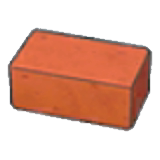
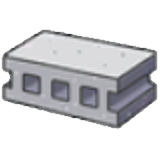

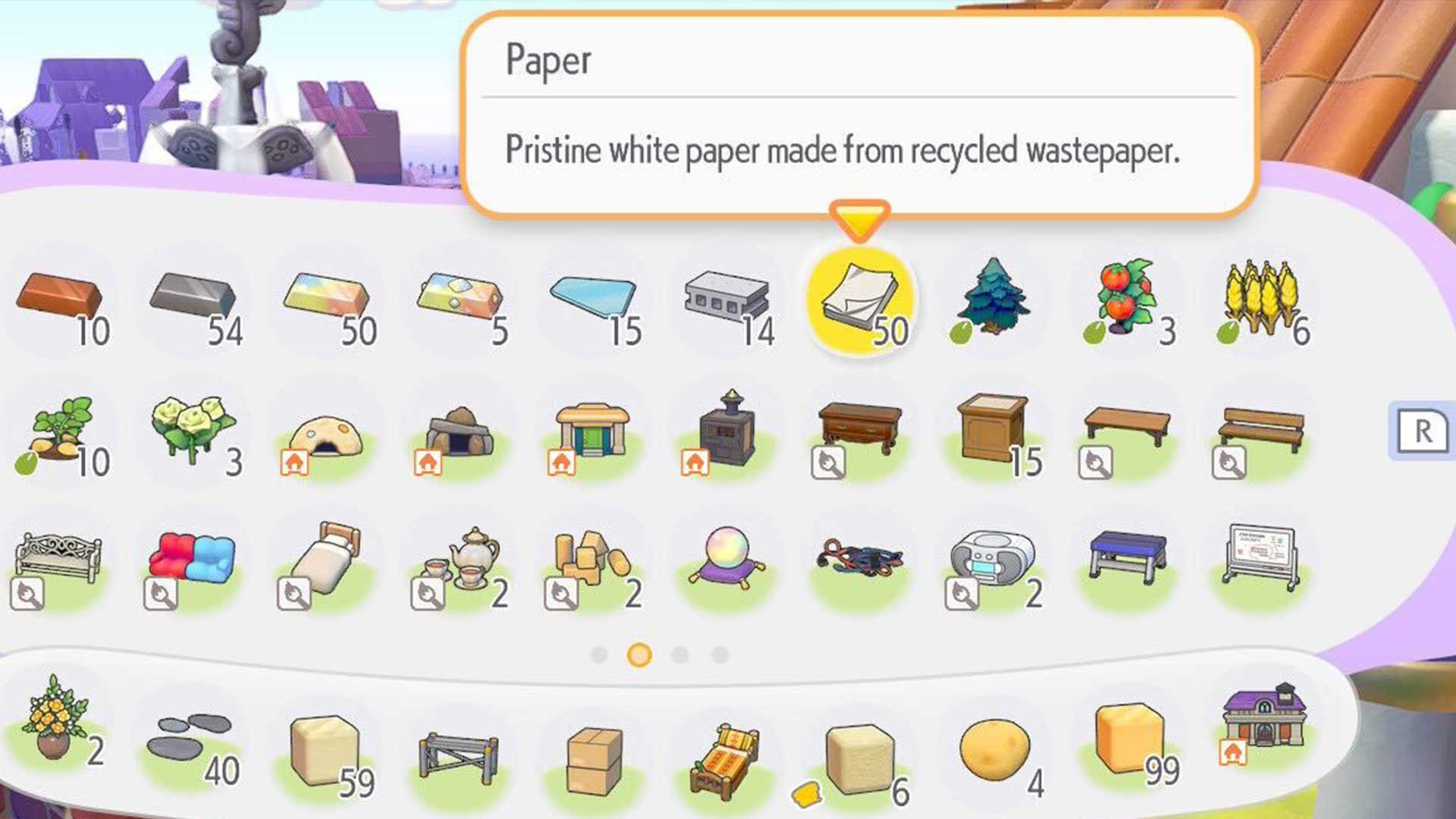
Note: In Pokopia, “Paper” can appear as both Paper and Papers depending on the recipe/list you’re looking at. If you’re crafting furniture/props and a recipe says “Paper”, it often points to Papers in the database.
Best Materials to Prioritize Early (And Why)
If you only farm what you need today, you’ll constantly backtrack. Instead, prioritize materials that unlock storage, mobility, and your first serious build options.
1) Lumber (first bottleneck)
Lumber is the backbone of early crafting. In our recipe database, Lumber shows up in 150+ recipes, and the earliest “quality of life” craft is the Storage Box which unlocks extremely early.
2) Twine (the sneaky blocker)
Twine is everywhere in utility crafts and décor. In our recipe database it appears in 90+ recipes, so if you build freely, Twine becomes a surprise choke point.
- Farm target: Twine
- Why now: It’s quick to stockpile while doing other routes (especially around abandoned buildings).
3) Squishy Clay → Bricks (your first “real building” material)
Squishy Clay isn’t just for Bricks — it also supports lots of basic household items (plates, mugs, etc.). Once you can convert it into Bricks, your building options open up.
- Farm target: Squishy clay → Brick
- Why now: Early walls/steps/roofs start asking for Bricks sooner than most players expect.
4) Paper (Team Initiation + crafting)
Paper is required for early progression tasks and a long list of crafts.
- Farm target: Wastepaper → Paper / Papers
- Why now: You’ll want a stash before you start “decorating like crazy”.
5) Wheat (cooking loops + farming economy)
Wheat is an early staple: once you have reliable farming, you can “print” cooking inputs and reduce randomness.
- Farm target: Wheat
- Why now: Farming gives you predictable daily output — perfect for a low-stress progression game.
6) Concrete (not day-one, but plan for it)
Concrete is typically gated by later progression, but it becomes a big infrastructure material as soon as it opens up.
- Farm target: Concrete
- Why now: Because when it unlocks, you’ll suddenly need a lot.
Material snapshot (from our database)
These counts come from the on-site recipe database, and they’re a good proxy for “how often will I need this?”
| Material | Item page | Recipes using it | Early example |
|---|---|---|---|
| Lumber | Lumber | 151 | Storage Box (very early) |
| Twine | Twine | 96 | House partition |
| Papers | Papers | 120 | Party popper |
| Squishy Clay | Squishy clay | 19 | Mug |
| Brick | Brick | 18 | Brick steps |
| Concrete | Concrete | 15 | Concrete steps |
Route 1: Wood + Basic Crafting Materials (Lumber + Twine)
This is your “every session” loop: it’s fast, repeatable, and directly upgrades your ability to farm everything else.
Where to run it
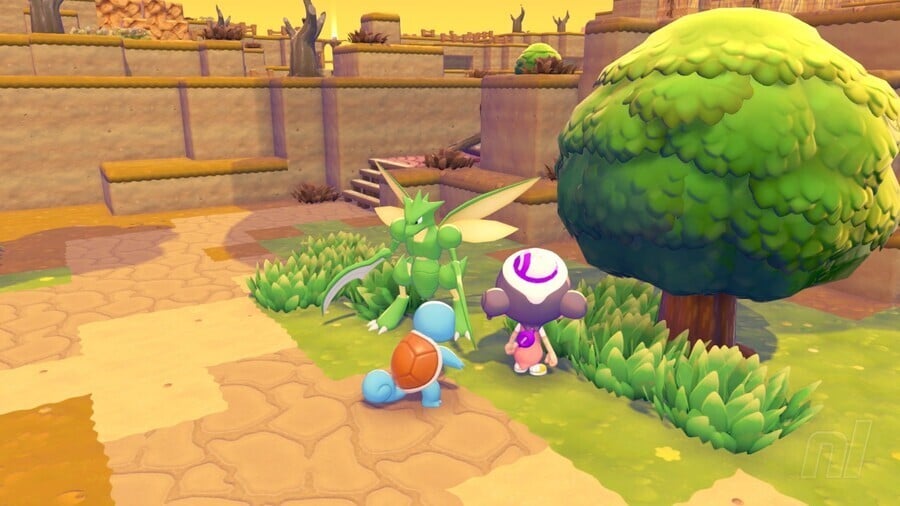
- Withered Wastelands: fast Small Log collection (trees + dead wood)
- Bleak Beach (ruins/abandoned buildings): consistent Twine from textile garbage
- Withered Wastelands caves: quick Smooth Rock pickup while you’re already moving
What to bring
- A Pokémon that can help you gather Small Logs quickly (tree/wood clearing)
- A way to break or clear textile garbage for Twine
- Empty inventory slots (this route fills bags fast)
The loop
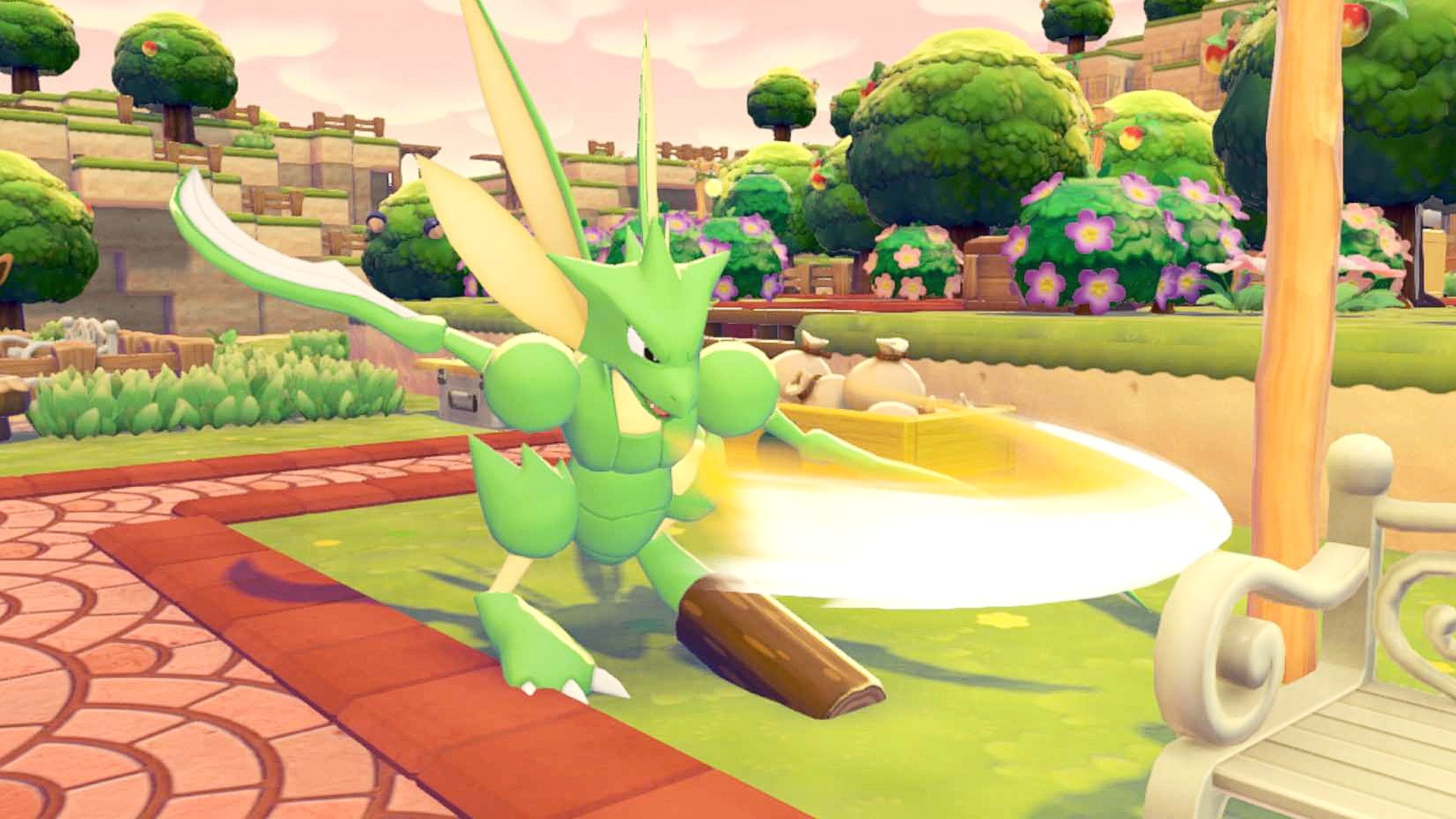
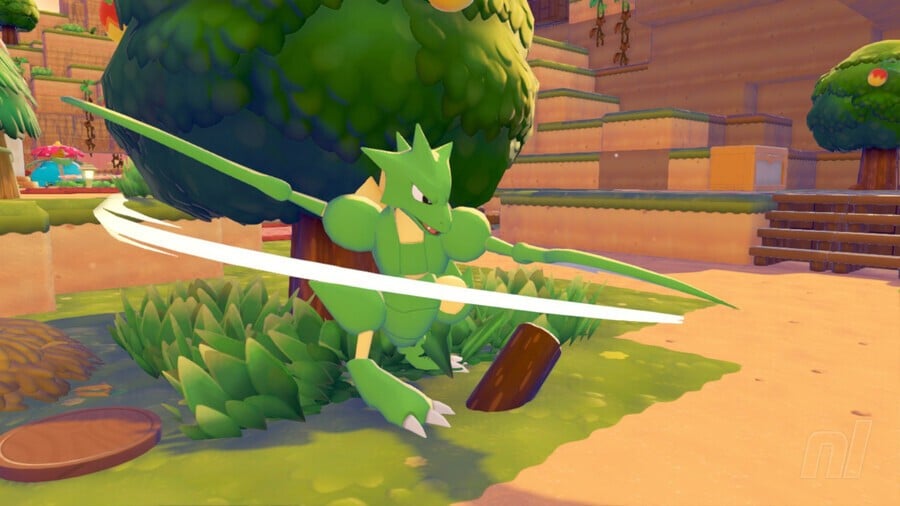
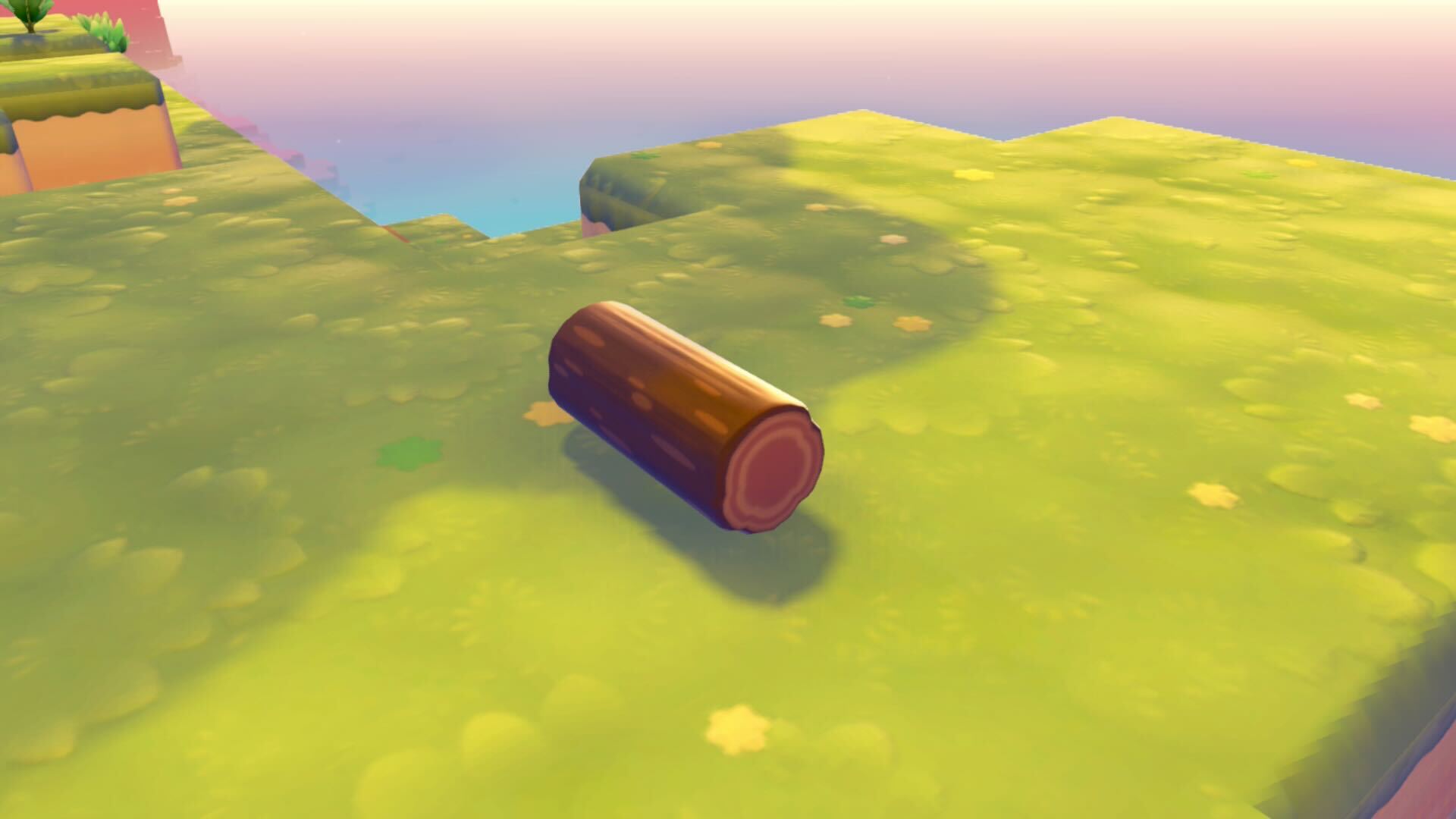
- Sweep a dense tree/wood area and focus on collecting Small Logs (cut down trees and dead wood as you travel).
- Convert Small Logs → Lumber with a Chop-capable Pokémon in bulk. The conversion is meant for batches — you can usually hand over up to 10 Small Logs at a time and get a large stack of Lumber back after a short wait.
- Detour through abandoned/ruined spots and clear textile trash/cobwebs to build a Twine buffer (this is one of the fastest “side pickups” in the early regions).
- Optional but high value: grab a handful of Smooth Rock from nearby caves (Smooth Rock can be picked up directly in certain cave pockets, so it’s a free bonus while you’re already pathing indoors).
- Before leaving the area, craft or queue your immediate upgrades:
- Storage Box (your first big time-saver)
- Any “route support” crafts that reduce backtracking (signs, basic utilities, etc.)
Efficiency tips
- Don’t overcraft early décor before you place 1–2 Storage Boxes next to your workbench.
- Batch processing beats drip processing. Convert logs in chunks so you spend less time in menus.
- Twine is best farmed “incidentally.” Grab it while you’re already pathing through ruins.

Route 2: Builder Loop (Squishy Clay → Bricks)
If you’re trying to upgrade your town’s look and unlock sturdier structures, this is the route you run until your Brick needs are satisfied.
Where to run it
- Bleak Beach: one of the most reliable early zones for Squishy Clay (break terrain blocks and clear the shoreline)
- North caves (early story caves): extra clay nodes if your beach loop is tapped out
What to bring
- A way to break clay deposits/blocks efficiently
- A Pokémon with the Burn specialty once you’re ready to convert clay into Bricks
The loop
- Farm Squishy clay until you have a comfortable buffer.
- Convert Squishy Clay into Brick in batches (Bricks tend to get consumed in bursts). The Burn conversion is tuned for bulk: you can typically give 10 Squishy Clay at once to receive 20 Bricks after a short processing time.
- Spend the leftovers on “clay utility” crafts that improve daily flow (tableware, small containers, etc.).
What to craft early with Clay/Bricks
- Plate and Mug are simple “starter utility” crafts that many players overlook.
- Once Bricks are online, the early build parts start opening up:
Route 3: Farming + Industry Loop (Wheat + Paper + Concrete)
This route is “early-to-mid” depending on your progression, but it’s the route that removes the last big friction points: cooking inputs, paper crafts, and heavy infrastructure.
Where to run it
- Rocky Ridges: Wheat fields and early industrial progression (often locked behind a Trainer Rank gate)
- Sparkling Skylands: scrap/waste blocks for Wastepaper and the region where Concrete production typically opens up
Part A: Wheat farming loop
- Unlock access to reliable Wheat gathering/growing (many players first get consistent Wheat once they can reach Rocky Ridges, which is commonly gated until you hit Great Trainer Rank and enter via the west gate beyond the Onix cave).
- Plant/harvest in a tight circuit so you’re not traveling for single pickups.
- Store Wheat next to cooking/crafting so you can immediately convert it into progress.
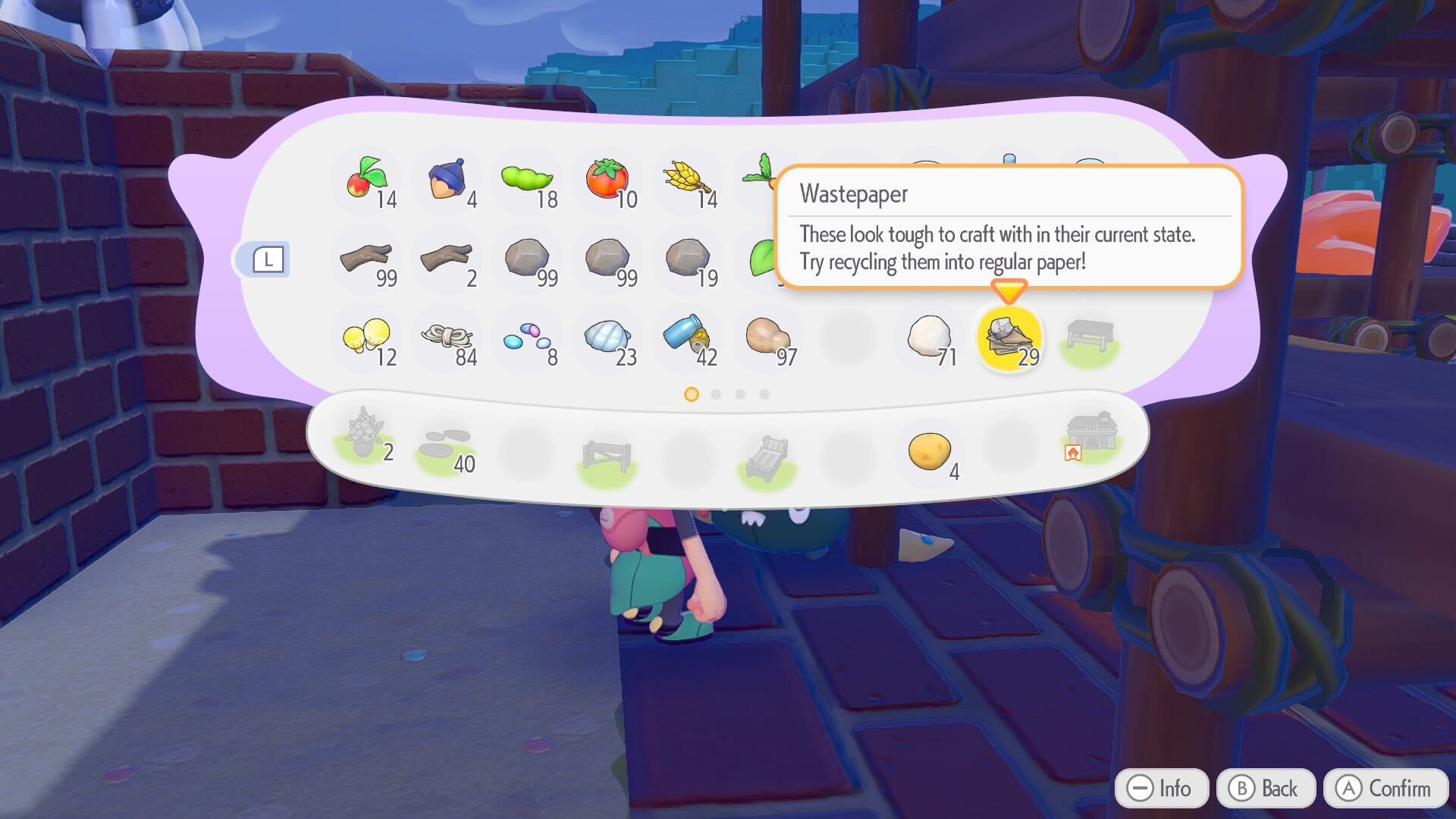
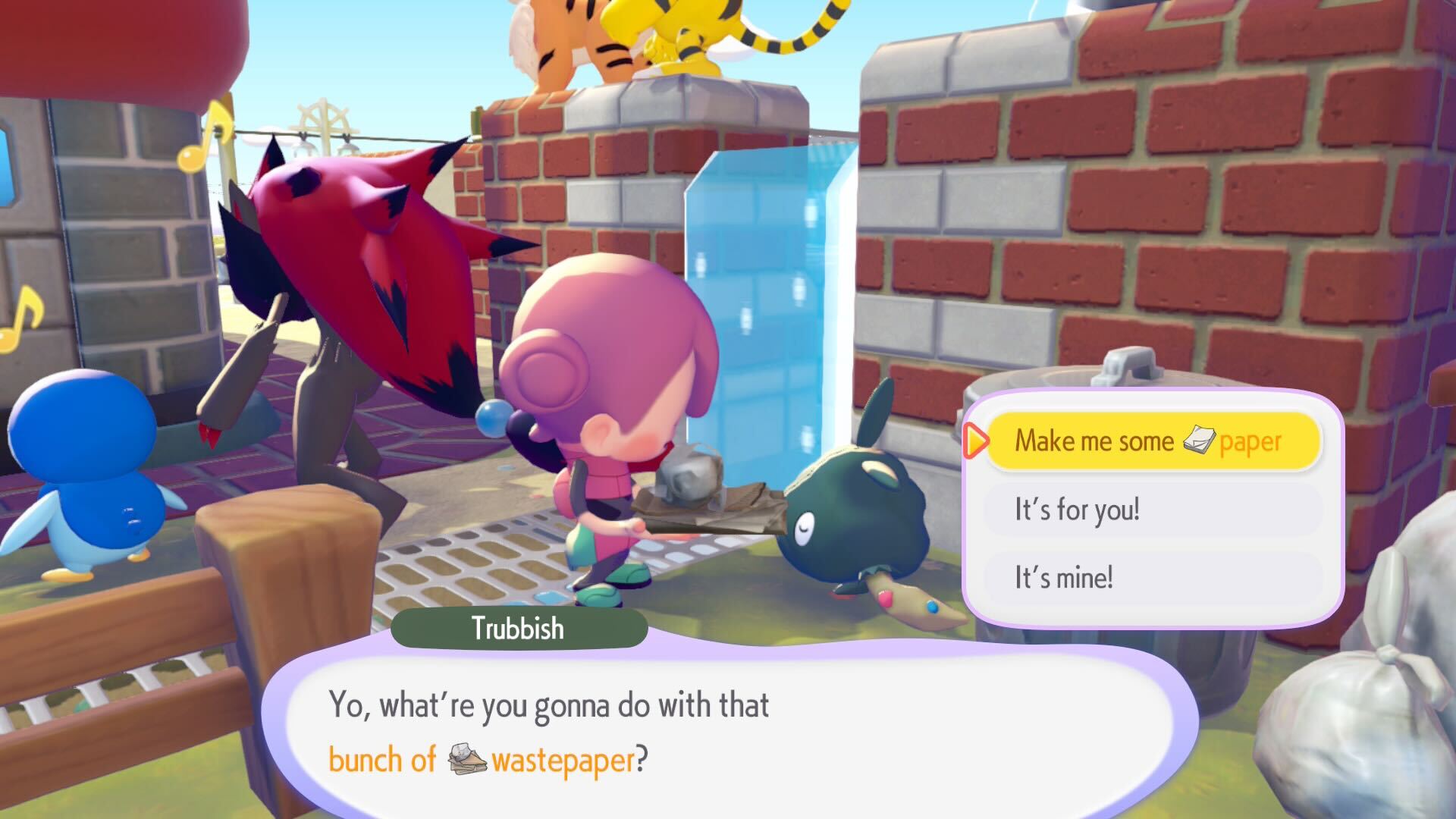
Part B: Wastepaper → Paper loop
- Farm Wastepaper in areas with lots of scrap/trash blocks.
- Use a recycling-capable Pokémon to convert Wastepaper into Paper in batches. This is designed for bulk processing: handing over 10 Wastepaper typically yields 20 Paper after a short wait.
- Keep a steady “paper reserve” for story objectives and craft bursts.
Part C: Limestone → Concrete loop
Concrete usually opens later, but once it does you’ll want an industrial routine:
- Stockpile limestone.
- Convert it with a Crush specialty Pokémon using the concrete crafting station.
- Spend Concrete on the projects that save you the most walking/time first (roads/steps/platforms).
How to Avoid Waste While Farming
These rules prevent the classic early-game trap: turning everything into the wrong thing too early.
- Craft storage first. One Storage Box placed beside your workbench saves more time than almost any decoration.
- Keep “base” buffers. Always keep some raw materials (Small Logs, Squishy Clay, Wastepaper) so you can pivot when a recipe surprises you.
- Convert only what you can spend soon. Bricks and Concrete are easy to overproduce and can crowd out your inventory.
- Use the recipe list before processing. Check what you actually need next so you don’t lock yourself into a single build path.
Best Database Pages to Bookmark
Use these pages as your “decision hub” so you farm with intent:
- Database hub:
/database - All items:
/database/items - All recipes:
/database/recipes - Habitats Dex:
/database/habitats
If you prefer direct shortcuts, here are the core materials discussed in this guide:
- Lumber:
/database/items/itm-materials-lumber - Small Log:
/database/items/itm-materials-small-log - Twine:
/database/items/itm-materials-twine - Wastepaper:
/database/items/itm-materials-wastepaper - Paper / Papers:
/database/items/itm-materials-paper,/database/items/itm-miscellaneous-papers - Squishy Clay:
/database/items/itm-materials-squishy-clay - Brick:
/database/items/itm-materials-brick - Concrete:
/database/items/itm-materials-concrete
FAQ
What should you farm first in Pokopia?
Farm Small Logs → Lumber first so you can craft storage and stop wasting time managing inventory. Then build a Twine buffer while you’re already exploring.
Which materials become bottlenecks later?
Bricks and Concrete tend to spike when you start larger structures, roads, and “serious” town layouts. Paper can also surprise you because it’s used in many small crafts.
Should you save rare building materials early?
Yes — but the real rule is: don’t convert everything. Keep a base-material buffer so you can respond to new recipes and story tasks without another full farm run.
CTA: Plan Your Next Craft Batch
Before you do another lap, open the recipes list and decide what you’re building next: